
Slow Breathing, Real Results: How Moonbird Supports Nervous System Regulation
Chronic stress isn’t a mindset issue. It’s a physiological load.
Today, nearly 40% of adults report high stress, and sleep disruption and anxiety continue to rise alongside it. In practice, this shows up as fatigue, poor recovery, difficulty concentrating, and reduced resilience. Over time, unmanaged stress can contribute to immune dysfunction, metabolic imbalance, and chronic inflammation.
The goal isn’t to eliminate stress. It’s to improve how the body processes it.
That’s where nervous system regulation matters.
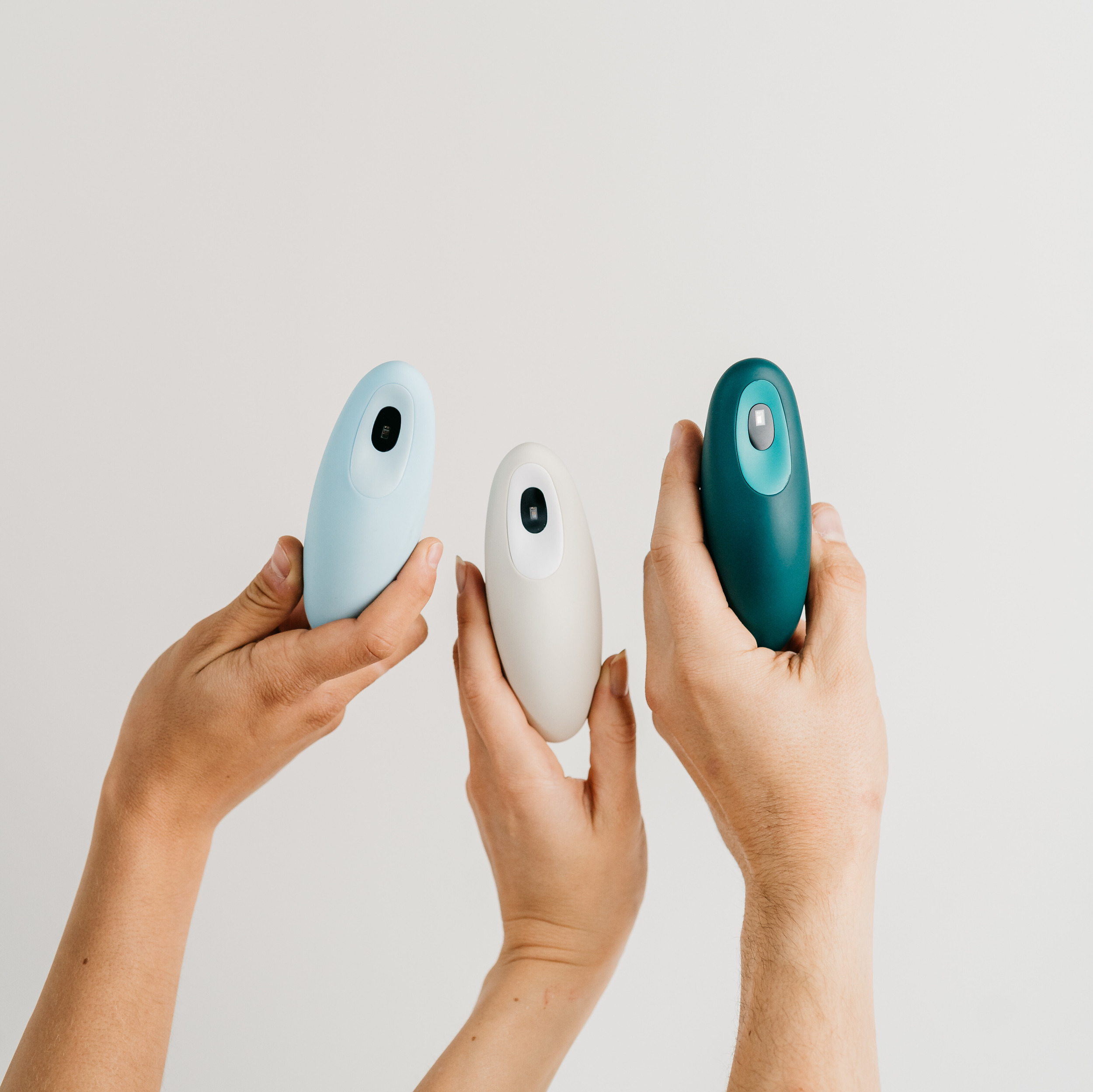
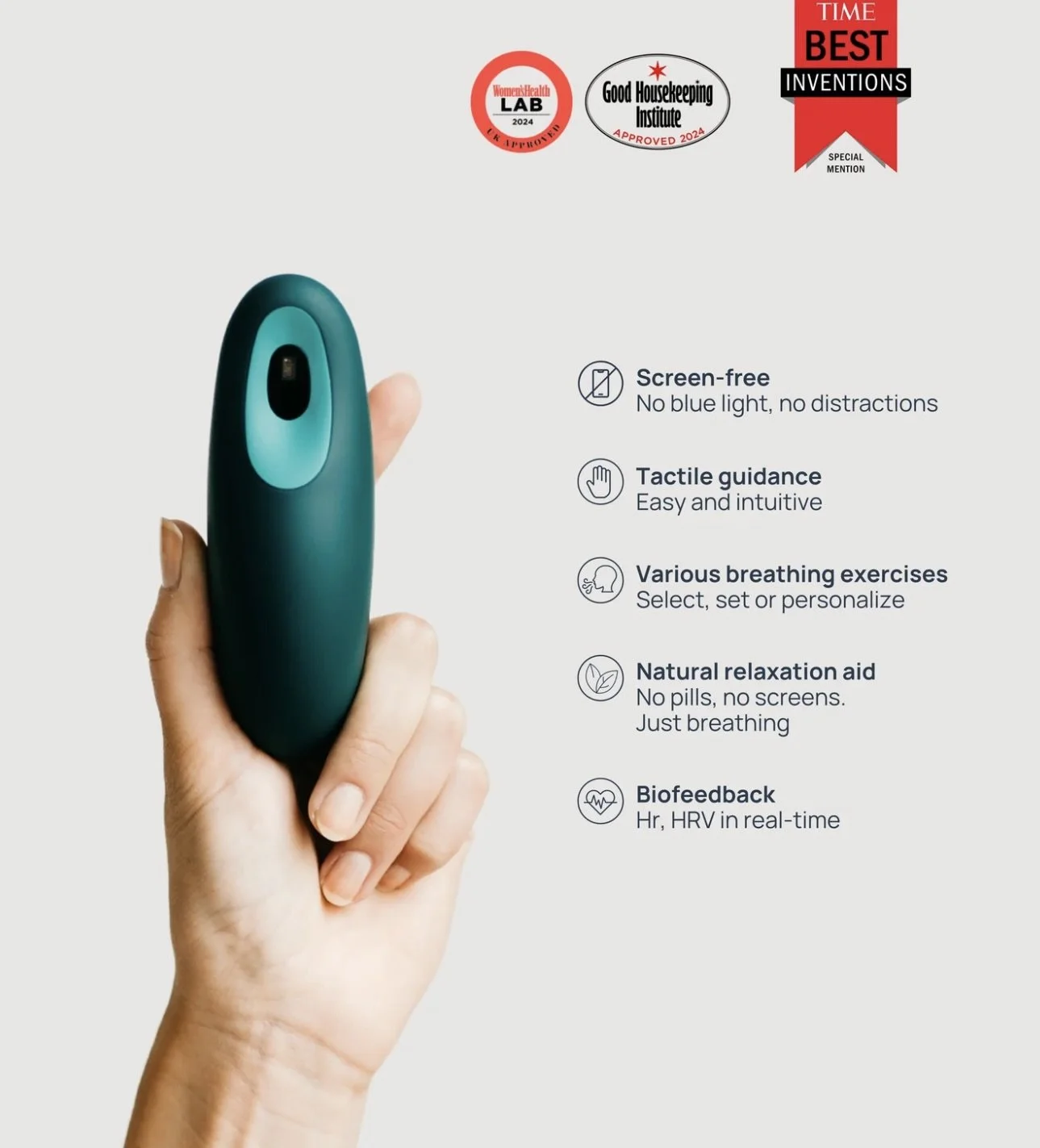
Moonbird is a guided breathing device designed to help patients activate their parasympathetic nervous system and restore balance through slow, rhythmic breathing, a clinically supported, non-pharmacological approach to stress reduction.
Why Chronic Stress Is So Hard on the Body
Under stress, the body prioritizes the sympathetic “fight or flight” response. That’s useful in short bursts. But when stress becomes constant, the system doesn’t downshift.
This leads to:
Poor sleep quality
Digestive disruption
Elevated inflammation
Reduced mental clarity
Slower recovery
Many patients try to cope with stimulation, distraction, or suppression through scrolling, alcohol, overwork, or quick fixes. These don’t resolve the underlying dysregulation. They often add to it.
To change the stress response, you have to work with the nervous system, not around it.
The Clinical Value of Slow Breathing
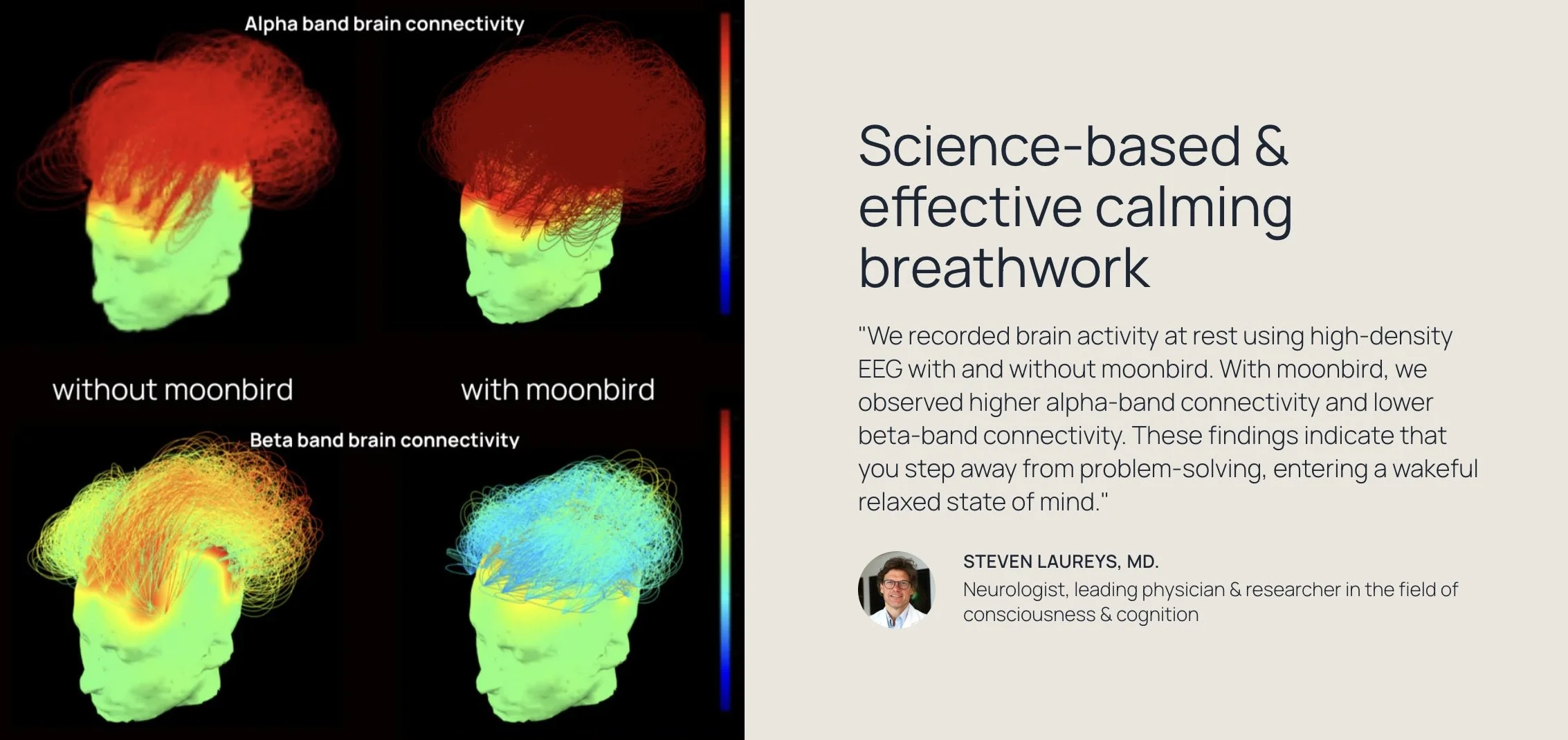
Slow, paced breathing is one of the most direct ways to influence the autonomic nervous system. It increases vagal tone, improves heart rate variability (HRV), and supports parasympathetic activation.
Higher HRV is associated with:
Better stress resilience
Improved emotional regulation
More efficient recovery
Stronger adaptive capacity
Research consistently shows that slow breathing:
Increases HRV
Reduces perceived stress
Supports sleep onset and continuity
Lowers anxiety and physiological arousal
This isn’t a theory. It’s measurable physiology.
What Is HRV and Why It Matters
Heart Rate Variability (HRV) reflects the time variation between heartbeats. A higher HRV indicates a flexible, responsive nervous system. A lower HRV often signals stress load, fatigue, or poor recovery capacity.
In practice, HRV gives insight into:
Autonomic balance
Adaptation to stress
Readiness and resilience
Improving HRV isn’t about willpower. Instead, it’s about creating the right physiological conditions.
Slow breathing is one of the most effective ways to do that.
How Moonbird Supports Nervous System Regulation (and Why It Matters Clinically)
Moonbird is a handheld device that expands and contracts to guide breathing at the optimal pace for nervous system regulation typically 5–7 breaths per minute, where HRV and parasympathetic activity are maximized. Patients simply inhale as the device expands and exhale as it contracts, allowing the body to naturally shift into a calmer, more regulated state.
Instead of counting or mentally controlling the breath, patients follow the physical rhythm of the device. This makes it easier to:
Maintain a consistent breathing pattern
Downshift quickly during stress
Relax without cognitive effort
Use in real-life moments (bedtime, work, travel, acute stress)
Moonbird pairs with a companion app that tracks breathing sessions and heart rate variability (HRV), giving patients visual feedback on how their nervous system responds over time. This reinforces consistency and helps patients connect their daily practice to measurable physiological change.
The result: a simple, repeatable way to train the body into a calmer, more regulated state.
Where Moonbird Fits in Practice + Why Practitioners Are Using It
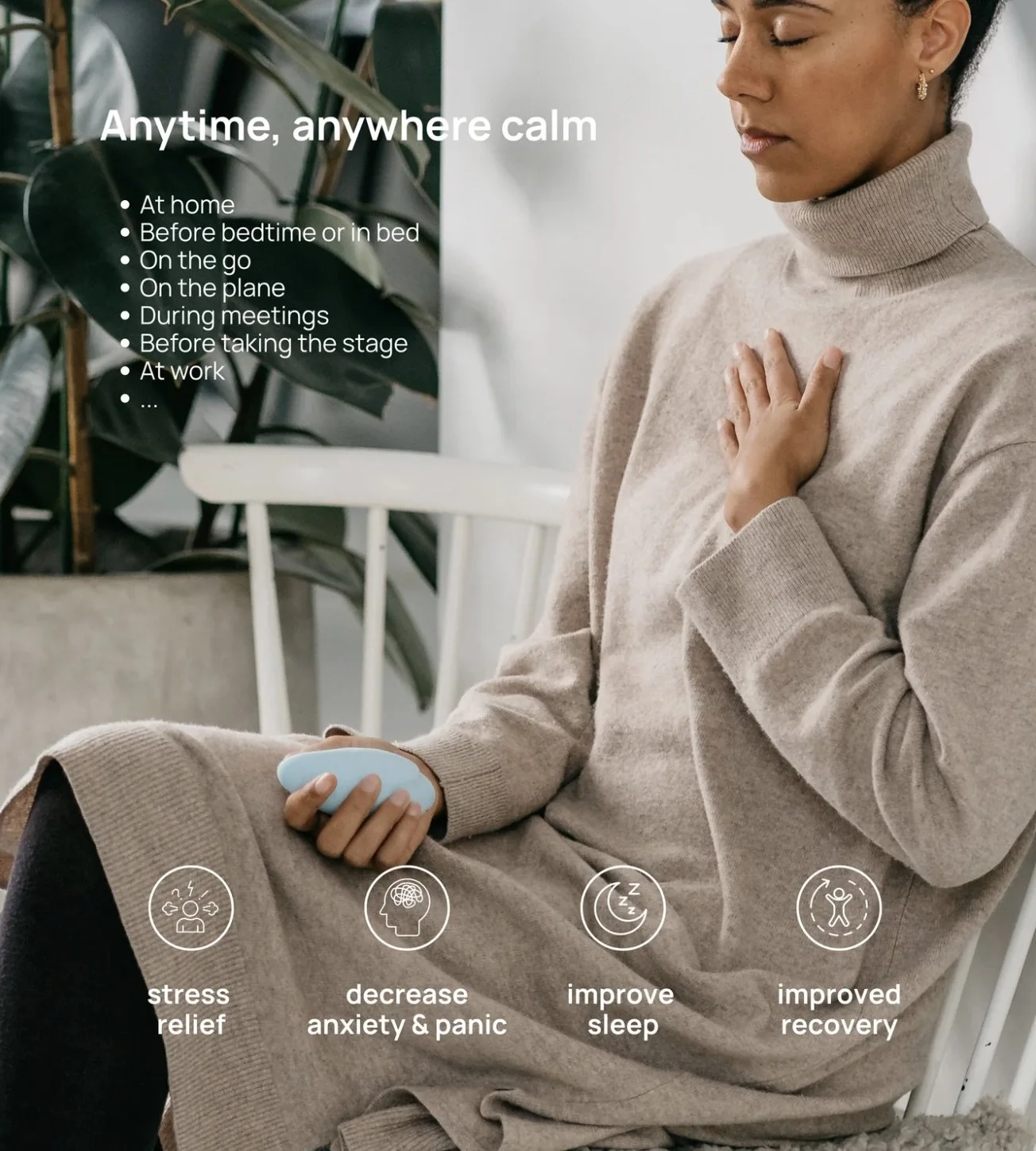
Moonbird is well-suited for patients dealing with:
Chronic stress and burnout
Sleep disruption
Anxiety or nervous system dysregulation
Poor recovery and resilience
It pairs effectively with protocols focused on:
Adrenal and HPA axis support
Mitochondrial health
Inflammation management
Detoxification (where nervous system load often increases)
By supporting parasympathetic activation, Moonbird can improve tolerance, compliance, and outcomes across care plans without adding complexity, screens, or cognitive load.
For patients who are “doing all the right things” but still feel wired, tired, or stuck in stress mode, this can be a meaningful missing piece.
Add Moonbird to Your Store Today!
Don’t have a store? Set up a demo today to see if it’s right for you.
