
Detoxification Explained: How It Works & How to Support it Effectively

Detoxification is often framed as a short-term cleanse or dietary reset. Clinically, it’s neither. It’s a continuous, tightly regulated process the body relies on to maintain metabolic, immune, and neurological balance.
In practice, the real issue isn’t whether detoxification happens, it’s whether detox pathways can keep up with cumulative toxin exposure.
Understanding how these pathways function and where support may be needed is critical for long-term patient outcomes.
How the Body Processes and Eliminates Toxins
Detoxification converts lipid-soluble toxins into water-soluble compounds that can be eliminated through urine, stool, and sweat. While multiple systems are involved, hepatic detoxification remains central and occurs through two interdependent phases.¹
Phase I Detoxification is driven primarily by cytochrome P450 enzymes. This phase introduces reactive functional groups to toxins, often increasing their biological reactivity. Adequate micronutrient support is essential here, as Phase I activity without sufficient downstream support can increase oxidative stress and toxin-related damage.²
Phase II Detoxification neutralizes Phase I intermediates through conjugation pathways involving glutathione, sulfate, glycine, glucuronide, and other compounds. These reactions render toxins water-soluble, allowing for safe excretion.³
Clinically, imbalance between Phase I and Phase II activity rather than outright failure is a common contributor to toxin burden.
Detox Recirculation: The Missing Piece in Many Protocols
Even when Phase I and Phase II are functioning, toxins must still be physically bound and removed.
If conjugated toxins are not adequately secured in the gut, they can be reabsorbed through enterohepatic recirculation and re-enter systemic circulation, effectively recycling the toxic load.
This is a common reason patients experience:
Worsening symptoms during detox
Headaches, nausea, fatigue, or “detox reactions”
Inflammatory flare-ups or neurological symptoms
In these cases, detox pathways are activated, but clearance is incomplete.
From a clinical standpoint, effective detox support requires:
Binding toxins at the cellular and systemic level, and
Securing and removing toxins in the gastrointestinal tract to prevent reabsorption
Without both, detoxification can increase circulating toxin burden rather than reduce it.
Supporting Detox Without Overloading the Pathways
When detox is poorly supported, aggressive Phase I and Phase II activation can overwhelm the system, increasing oxidative stress and making patients feel significantly worse.
Binding strategies help reduce the need for heavy hepatic processing by lowering circulating toxin burden upstream.
When toxins are bound at the cellular and systemic level, the body can bypass some of the metabolic strain of liver detoxification. This approach supports:
Lower oxidative stress
Fewer symptom flares
Gentler, better-tolerated detoxification
In practice, this allows practitioners to support detoxification without forcing the liver into overdrive.
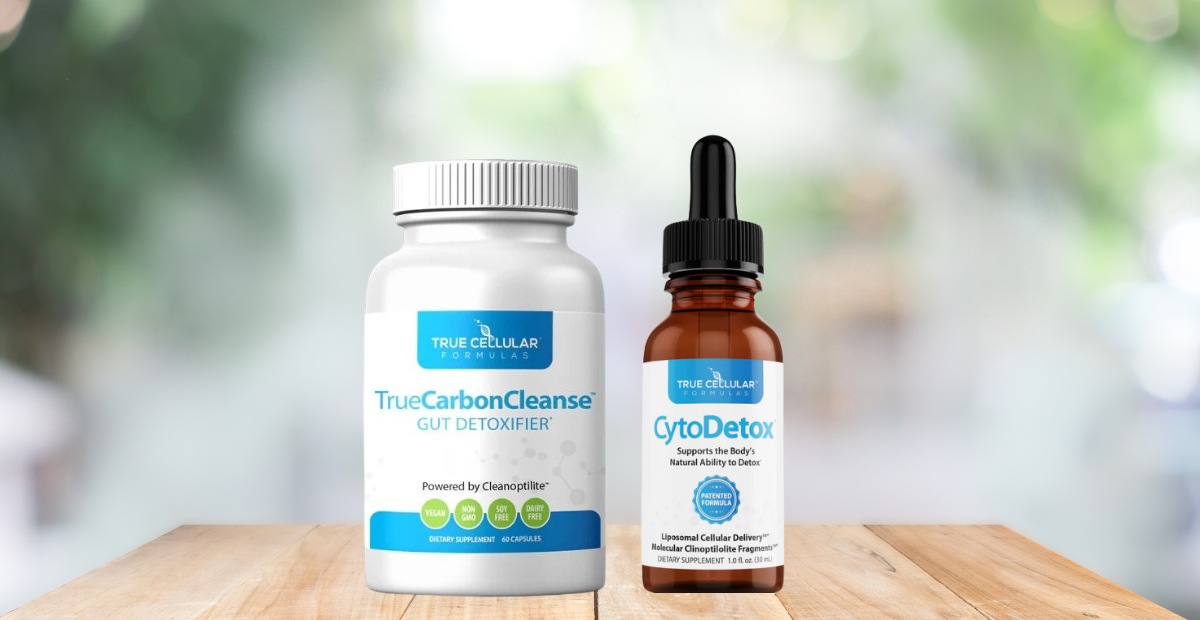
CytoDetox® + TrueCarbonCleanse™: Dual-Action Detox Support
CytoDetox® by True Cellular Formulas is designed to support cellular-level detoxification by binding environmental toxins, including heavy metals, chemicals, pesticides, and biotoxins.
It combines liposomal zeolite clinoptilolite with fulvates, using patented molecular clinoptilolite fragments derived from natural zeolites, minerals formed from fossilized volcanic ash and seawater with well-documented toxin-binding properties.
CytoDetox® is designed to:
Bind toxins at the cellular and systemic level
Support detoxification in the bloodstream and tissues, not just the gut
Leverage liposomal delivery to enhance cellular access
This allows practitioners to reduce circulating toxin burden before toxins overwhelm Phase I and Phase II pathways.
TrueCarbonCleanse™, also by True Cellular Formulas, works in the gastrointestinal tract to:
Secure toxins excreted into bile
Bind residual toxins in the gut
Prevent enterohepatic recirculation and reabsorption
Together, CytoDetox® and TrueCarbonCleanse™ provide a comprehensive binding and removal strategy:
CytoDetox® binds at the cellular and systemic level
TrueCarbonCleanse™ secures and removes toxins in the gut
This dual approach helps ensure toxins are not only mobilized, but fully eliminated.
Clinically, this supports:
Better patient tolerance
Fewer adverse symptoms
More predictable outcomes
Everyday Toxin Exposure: Why It Matters Clinically
Patients are exposed daily to environmental toxins, including heavy metals, pesticides, plastics, industrial chemicals, and microbial byproducts. Over time, this exposure places sustained demand on detoxification pathways.
When clearance capacity is exceeded, toxin accumulation may contribute to:
Fatigue and headaches
Myalgias and inflammatory symptoms
Cognitive fog, mood disruption, and sleep disturbances
Chronic toxin burden has also been associated with immune dysregulation, metabolic dysfunction, cardiovascular disease, and increased oncogenic risk.
From a clinical standpoint, detoxification support is about restoring throughput not “cleansing.”
Why Supporting Detox Pathways Matters in Practice
Targeted detox support works best when it optimizes existing physiology rather than trying to override it.
Supporting toxin throughput improves processing efficiency and reduces systemic burden.²
Reducing immune load helps lower compensatory immune activation.⁴
Supporting metabolic and endocrine balance counters endocrine-disrupting toxin effects.²
Supporting mitochondrial function improves energy production and cellular resilience.⁵
Supporting cognitive and neurological health helps mitigate neuroinflammatory effects.⁶

Clinical Application
Detoxification is a foundational physiological process, not a trend. While it is not a standalone solution, targeted detox support can play a meaningful role in comprehensive care particularly for patients with chronic exposure, impaired clearance, or elevated oxidative stress.
Binding and removal strategies allow practitioners to support detoxification without overloading hepatic pathways or triggering symptom flares.
As with any intervention, detox protocols should be individualized and implemented within the context of nutrition, lifestyle, and overall metabolic health.
Support Detoxification Without Overcomplicating Care
For practitioners looking to support cellular-level detox pathways with a science-backed option, CytoDetox® and TrueCarbonCleanse™ offer a comprehensive, dual-action approach designed to bind, secure, and remove toxins effectively.
Add True Cellular Formulas to your GetHealthy Store to support comprehensive detox protocols, simplify patient access, and offer trusted cellular-level detox support directly through your practice.
