
GLP-1 is everywhere right now.
Patients are hearing about it from social media, weight loss conversations, podcasts, and headlines. While most of the attention is focused on medications, many patients are also looking for practical ways to support appetite regulation, blood sugar balance, and metabolic health through everyday habits.
That is where practitioner guidance matters.
GLP-1, or glucagon-like peptide-1, is a hormone naturally produced in the gut after eating. It plays a role in signaling fullness, slowing digestion, supporting insulin response, and helping regulate blood sugar levels.
For practitioners, this opens the door to a broader conversation around lifestyle support, nutrition, satiety, and sustainable follow-through.
The Conversation Is Bigger Than Weight Loss
Many patients associate GLP-1 with injectable medications, but the body naturally produces GLP-1 every day in response to food intake, especially meals that include fiber, protein, and healthy fats.
Patients may benefit from supporting natural GLP-1 activity when they are experiencing:
Frequent hunger or cravings
Energy crashes throughout the day
Difficulty maintaining steady blood sugar
Challenges with appetite regulation
Long-term metabolic health concerns
This creates an opportunity for practitioners to guide patients toward realistic, sustainable habits instead of quick fixes alone.
Everyday Habits Still Matter
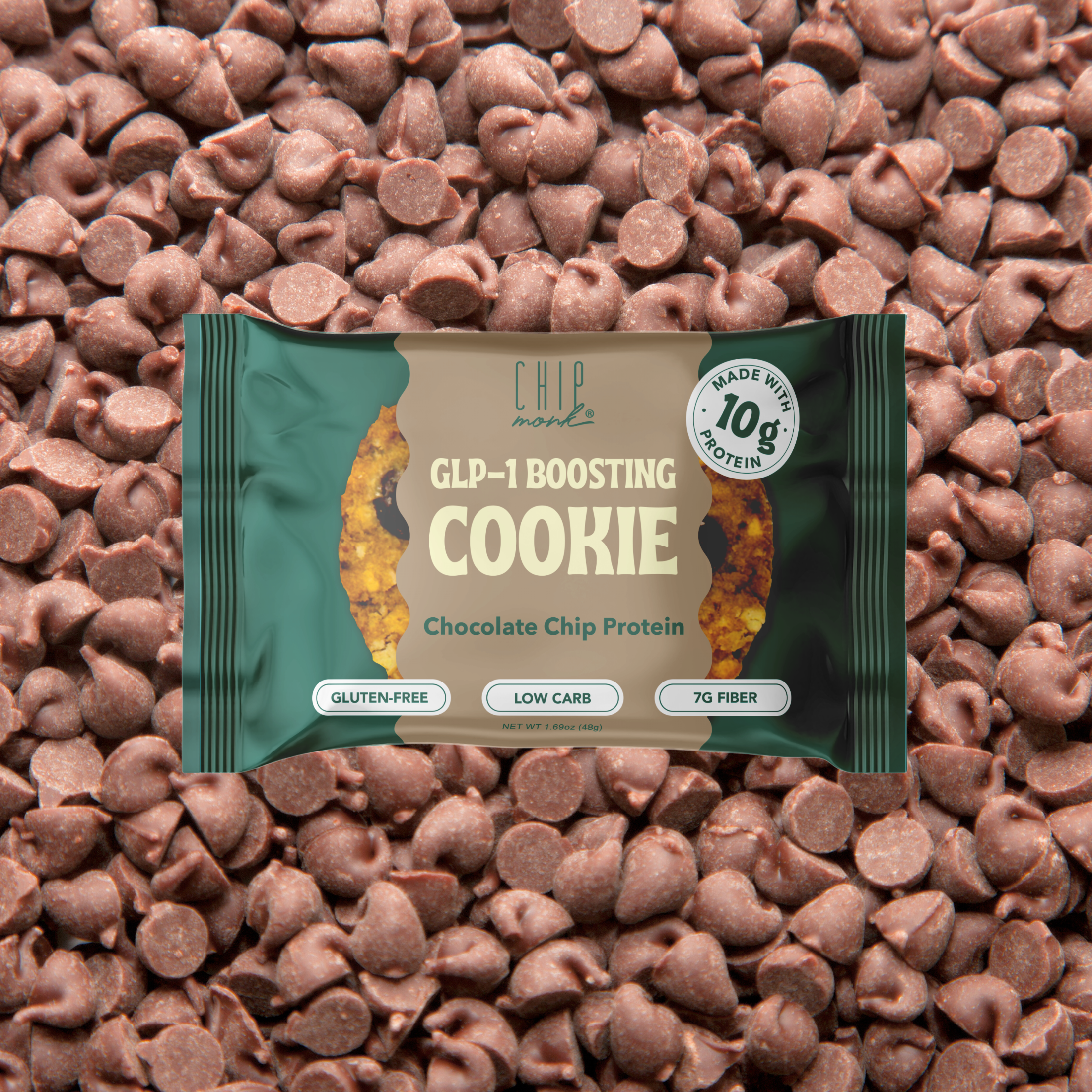
Lifestyle support continues to play an important role in metabolic health and appetite regulation.
Research around natural GLP-1 support often points back to foundational habits like:
Increasing fiber intake
Prioritizing protein-rich meals and snacks
Choosing lower-glycemic foods
Supporting movement and activity
Improving sleep and stress management
For many patients, the challenge is not understanding what to do, but consistency and follow-through between visits.
Why Smarter Snacking Matters
Patients often reach for convenient snacks during stress, afternoon energy dips, or late-night cravings. Highly refined snacks can contribute to blood sugar spikes, increased hunger, and poor satiety shortly afterward.
That is why practitioner-guided snack options can become a helpful extension of care.
Products that combine fiber, protein, and healthier fats may help support fullness, steadier energy, and more balanced eating habits throughout the day.
How ChipMonk’s GLP-1 Boosting Cookies Can Help
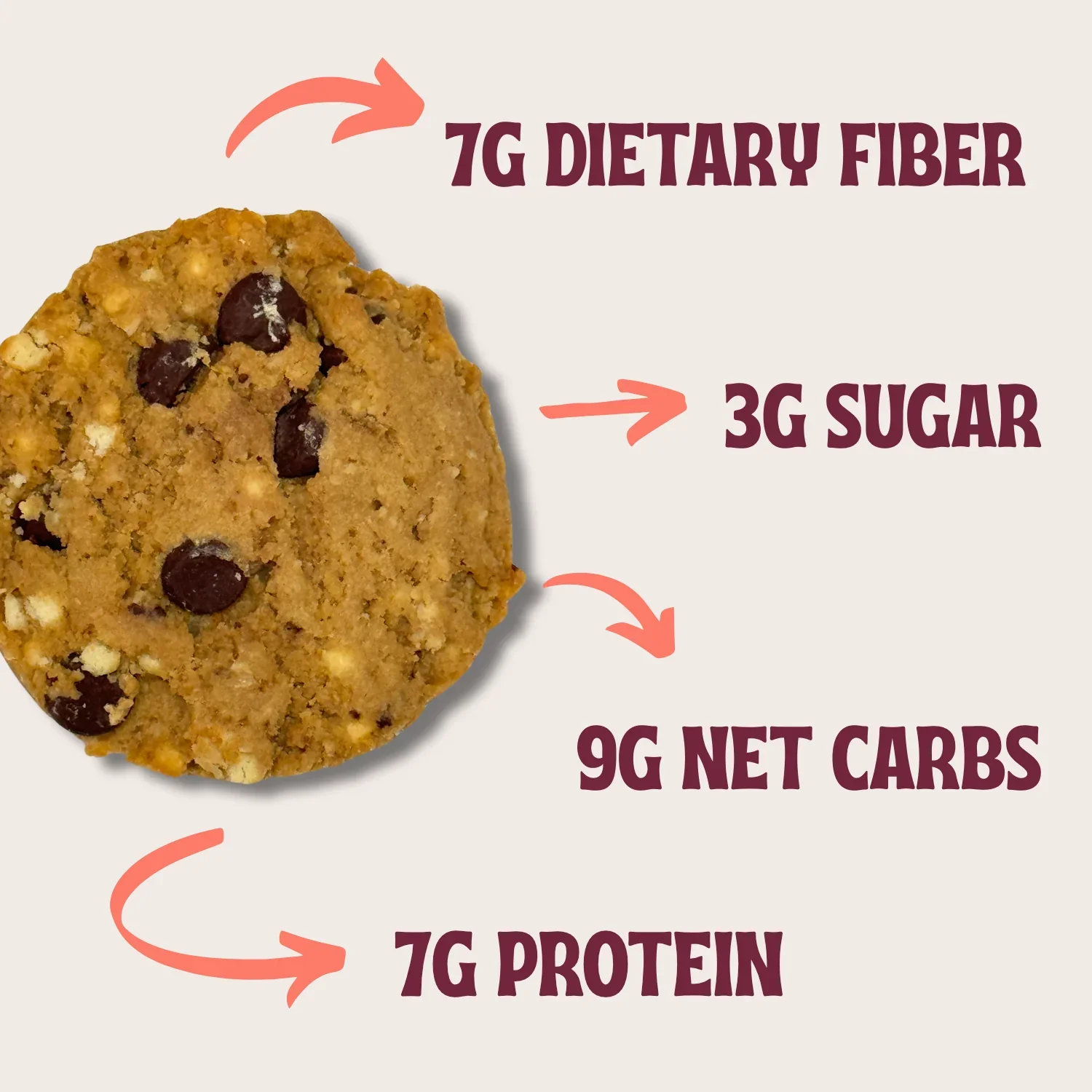
ChipMonk’s GLP-1 Boosting Cookies were designed with ingredients that support smarter snacking, including:
Prebiotic fiber
Protein-rich ingredients
Healthy fats from nuts and seeds
Low-glycemic sweeteners
For practitioners, this creates an approachable way to support conversations around satiety, metabolic health, and patient follow-through without adding complexity.
Sometimes patients need more than a recommendation. They need practical options they can easily integrate into everyday life.
Support the Conversation Beyond the Visit
The GLP-1 conversation is not slowing down. Patients are already searching for answers.
Adding practitioner-guided products to your dispensary helps keep those conversations grounded in education, lifestyle support, and realistic next steps patients can actually follow through on.
Add ChipMonk’s GLP-1 Boosting Cookies to your GetHealthy Store today, or recommend them in GetHealthyScript, and give your patients another practical tool to support appetite awareness, balanced energy, and healthier daily habits.
Don’t have a Store? Set up a demo here to get started.
Or start free with GetHealthy Script by signing up here.
FAQ
Q: What is GLP-1, and why are clients asking about it?
A: GLP-1, or glucagon-like peptide-1, is a hormone the body naturally produces after eating. It helps signal fullness, slow digestion, support insulin response, and regulate blood sugar. Because GLP-1 medications are being discussed widely, many clients are also asking how nutrition, lifestyle, and everyday habits can support appetite awareness and metabolic health.
Q: How can practitioners guide the GLP-1 conversation without focusing only on medication?
A: Practitioners can help clients understand that the GLP-1 conversation is bigger than weight loss or prescriptions alone. It can include nutrition, fiber intake, protein-rich meals, low-glycemic foods, movement, sleep, stress management, and realistic follow-through between visits. This gives clients a more complete and sustainable way to think about metabolic support.
Q: How can GetHealthy help practitioners support clients beyond the visit?
A: GetHealthy helps practitioners connect education, product recommendations, and follow-through in one place. By adding practitioner-guided options like ChipMonk’s GLP-1 Boosting Cookies to a GetHealthy Store or recommending them through GetHealthy Script, practitioners can give clients practical tools that support appetite awareness, balanced energy, and healthier daily habits.
