
Why TikTok Is Now Your Competition (And What to Do About It)
There is a moment that happens in practices every day.
A patient sits down, and before you can finish your intake questions, they mention something they saw online. A supplement. A protocol. A trend that "everyone is doing." Sometimes it aligns with what you would recommend. Often it does not.
This is not a new problem. But it is getting harder to ignore.
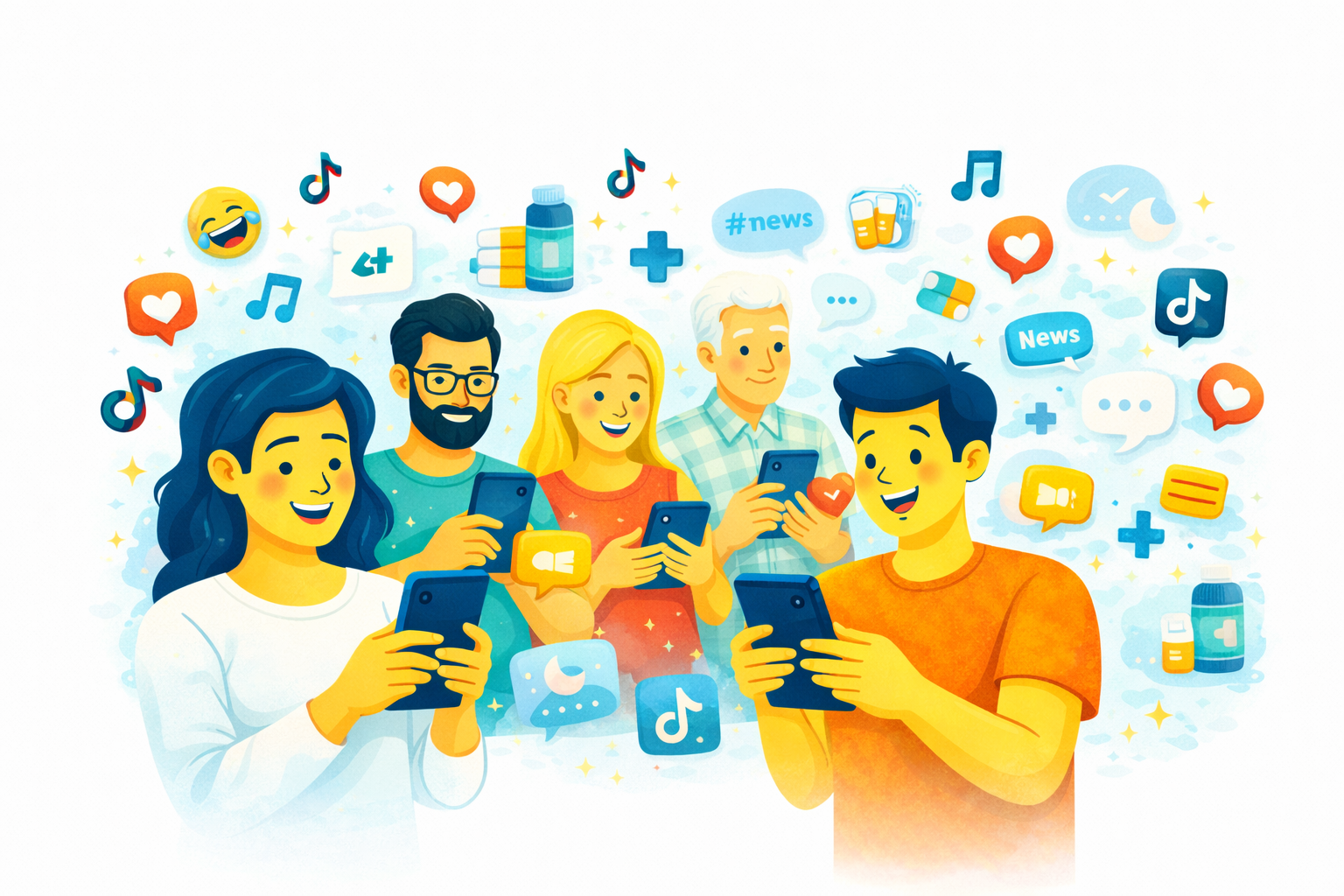
TikTok has become one of the primary places patients look for health guidance between visits. The hashtag #healthtok alone has over 2.6 billion views. Videos about supplements, hormone health, gut protocols, and sleep optimization are not just popular: they are shaping purchasing decisions and, in some cases, clinical ones.
The deeper issue is who is making them.
The Credibility Gap No One Is Talking About
Research shows that content from creators with no medical qualifications gets almost five times more views than content from qualified clinicians. That is not a small gap. That is the platform's dominant voice belonging to people with no training, no accountability, and often a product to sell.
A 2024 University of Chicago study found that nearly half of health videos analyzed contained non-factual information, with the majority of misleading content coming from non-medical influencers. A separate analysis of over 5,000 TikTok videos found that 45 percent of medical advice on the platform was false or misleading. For alternative medicine content specifically, that number climbed to 67 percent.
Your patients are not finding this content occasionally. They are swimming in it.
And yet, over 3.8 million healthcare providers are already active on TikTok. TikTok users spent more than 630 million hours in a single year watching videos from doctors, making physicians the most-watched profession on the platform. The audience is paying attention. The demand for trustworthy clinical voices is real. It is just not being met at the scale the problem requires.
Why Practitioners Hesitate
The reasons practitioners avoid TikTok are understandable.
It feels unprofessional. It takes time. There is liability to consider. And the idea of competing with people who post five times a day and have ring lights and sound effects can feel absurd when you are running a full patient schedule.
But here is the reframe worth sitting with: you are not trying to compete with influencers. You are trying to be the thing patients reach for when influencer content stops making sense.
That is a very different job, and it requires a lot less than most practitioners think.
What Actually Works
You do not need a content strategy. You do not need a posting schedule. You do not need to go viral.
You need one clear, timely, clinically grounded video that speaks directly to something your patients are already confused about.
The format that works is simple: "I'm seeing a lot of questions about [trend, supplement, symptom]. Here's what you actually need to know."
This works for three specific reasons.
It is timely. You are responding to something patients are already thinking about. That is what stops the scroll, not production quality or follower count.
It is credible. You are not guessing at what is popular. You are speaking from real clinical experience with real patients. That comes through in a way no influencer can replicate.
It is personal. Patients feel like you made it for them, because in a way, you did. The practitioner they already trust is talking directly to the thing they were just confused about. That is a different experience than watching a stranger.
One well-timed, clearly explained video from you carries more weight than a hundred posts from someone with no clinical background. Not because of your follower count. Because of the relationship that already exists.
Topics Worth Starting With
If you are not sure what to address first, start with what keeps coming up in your appointments. That is your content calendar.
Some of the most-searched health topics on TikTok right now include magnesium and sleep, hormone health protocols, gut health and bloating, supplement stacking, and weight management approaches. If any of those are showing up in your patient conversations, you already have your first video.
A few practical starting points:
Pick one topic that came up in appointments this week. Record a 60-second explanation on your phone. Do not over-produce it. Clarity and brevity matter more than lighting. Post it with a simple caption that names the trend you are addressing. Link your store in your bio.
That last step matters more than it might seem.
Where The Store Comes In
A video that educates is valuable. A video that educates and gives patients a clear next step is what actually changes behavior.
When patients watch your content and feel ready to act, they need somewhere to go. If that somewhere is a curated, GetHealthy product store you have built around your clinical recommendations, the trust you just built in 60 seconds converts into action. The content does not disappear when they close the app. It carries into your care.
That is the trust-to-purchase path that almost no other channel can replicate. Social media builds the relationship. Your store closes the loop.
The Bigger Picture
TikTok is one channel. But the principle behind it applies everywhere patients look for health information between visits: YouTube, AI search tools, email, Google. The practitioners who show up consistently in those spaces, with clinical credibility and a clear next step, are the ones who stay top of mind when patients are ready to make decisions.
The goal is not to become a content creator. The goal is to be present where your patients already are, often enough that when they see something confusing or questionable, their first instinct is to check what you think.
That is a different kind of influence. And it is one you are already positioned to have.
