
Restorative sleep is becoming harder to achieve, even for patients who feel exhausted at night.
Many adults today either:
fall asleep quickly but wake up unrefreshed, or
struggle to fall asleep and wake feeling groggy and depleted
Stress, screen exposure, and inconsistent routines all play a role. But clinicians are increasingly recognizing a deeper contributor:
Impaired nighttime circulation and nervous system down-regulation.
Sleep quality is not simply about sedation. It depends on the body’s ability to shift into a parasympathetic, “rest and recover” state where repair, regulation, and recovery can occur.
This is where nitric oxide is entering the clinical conversation.

Why Nitric Oxide Matters for Sleep Quality
Nitric oxide is a naturally produced signaling molecule involved in vascular function, oxygen delivery, and nervous system regulation.
During healthy sleep, nitric oxide supports:
Relaxation of blood vessels
Efficient oxygen delivery to tissues
Reduced cardiovascular strain overnight
Activation of parasympathetic recovery signaling
When nitric oxide production is impaired, the body may struggle to fully downshift — even when fatigue is present.
Patients may sleep, but not recover.
Why Sedation Alone Doesn’t Produce Restorative Sleep
Traditional sleep approaches often rely on melatonin or sedative agents. While helpful for circadian timing in specific situations, sedation does not address the physiological systems responsible for deep sleep and recovery.
Sleep specialists are increasingly focusing on:
Circulation and oxygen delivery
Nervous system balance
Recovery signaling
Cellular repair during sleep cycles
This shift reflects a broader understanding: deep sleep is a physiological process, not simply unconsciousness.
A Physiology-First Approach to Sleep Support
Emerging sleep protocols are designed to support the body’s natural nighttime processes rather than override them.
Formulations centered on nitric oxide support aim to promote:
Relaxation
Nutrients that support nervous system calm and help facilitate sleep onset.
Recovery
Support for neurological, muscular, and cellular repair during deep sleep phases.
Circulation & Oxygen Delivery
Plant-derived nitrate sources that support nitric oxide production and overnight oxygen delivery — supporting natural morning energy without stimulants.
Together, these systems work to support:
deeper sleep cycles
overnight repair and recovery
improved morning energy and clarity
Because sleep quality isn’t defined by hours slept — it’s defined by how effectively the body relaxes, repairs, and restores.
Support better sleep with nitric oxide, now available to add to your store.
Learn more about SleepHabits on GetHealthy EDU.
Nutrients Commonly Included in Physiology-Focused Sleep Support
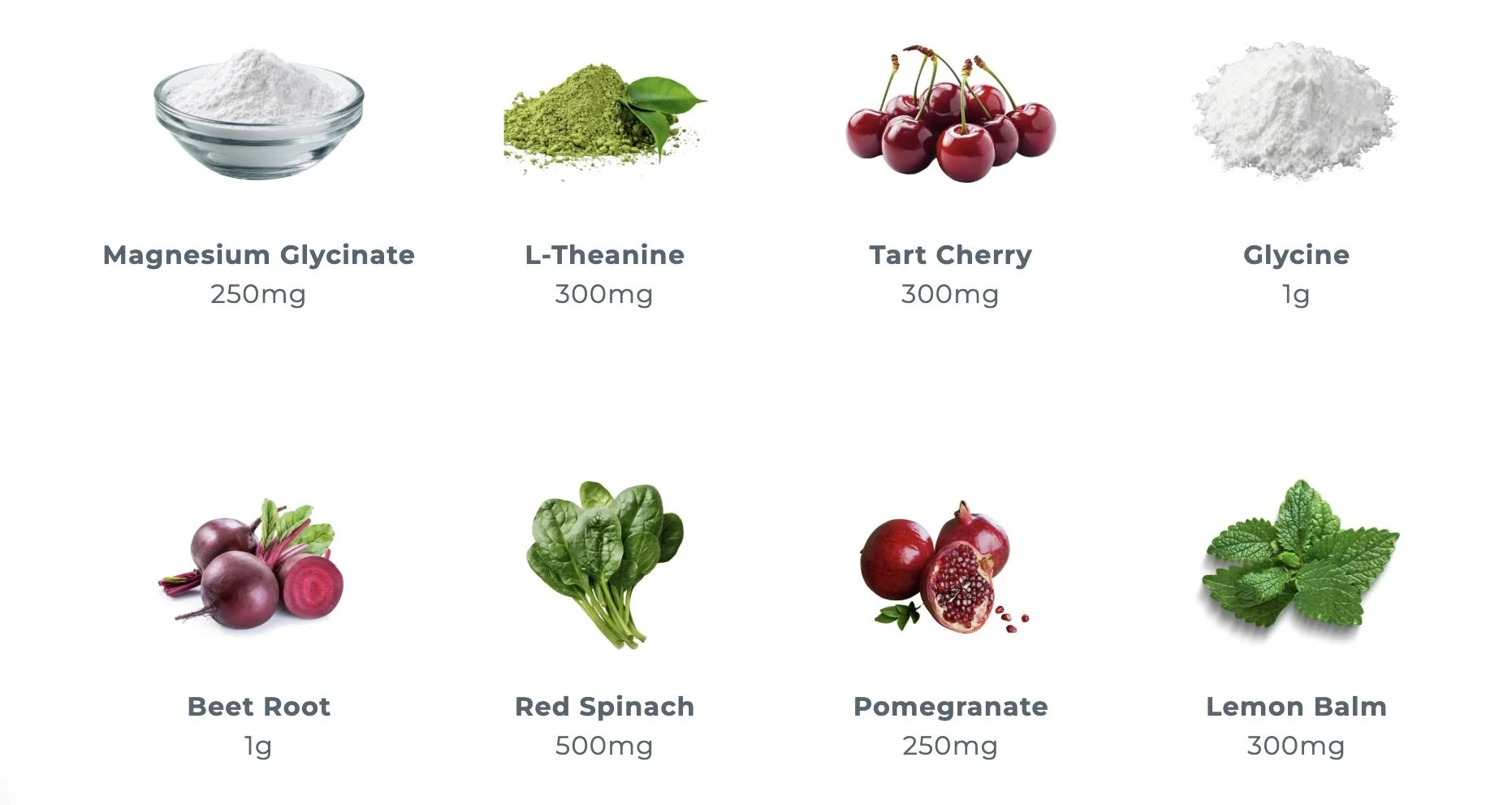
Clinically selected nutrients in this category often include:
Magnesium glycinate
L-theanine
Glycine
Tart cherry extract
Lemon balm
Beet root & red spinach (nitrate sources)
Pomegranate extract
These ingredients support nervous system regulation, muscle relaxation, antioxidant activity, and nitric oxide production.
A Growing Clinical Shift
Sleep clinicians and airway specialists are increasingly exploring non-sedative approaches that support natural sleep physiology and recovery processes.
Supporting circulation, nervous system balance, and oxygen delivery reflects a broader evolution in sleep care — one that prioritizes restoration rather than sedation.
What This Means for Practitioners
Patients struggling with sleep often need more than a sleep aid.
They need support for the physiological systems that allow restorative sleep to occur.
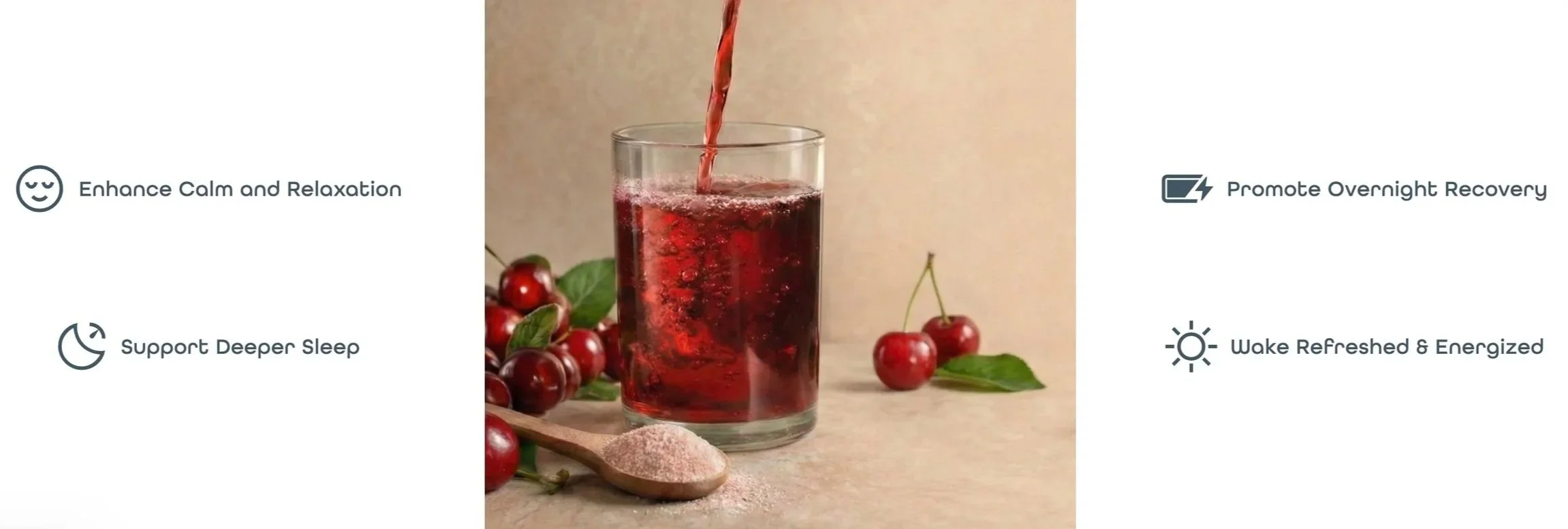
Supporting nitric oxide pathways, recovery signaling, and parasympathetic regulation may help patients:
Experience deeper sleep
Improve overnight recovery
Wake with more consistent energy
Support long-term cardiovascular and nervous system health
Add SleepHabits to your GetHealthy Store today!
