
You've probably already felt this shift, even if you haven't had time to think about it too carefully.
Your patients are asking different kinds of questions in sessions. More specific ones. Questions that start with "I read that..." or "I asked ChatGPT about..." or, increasingly, questions they don't ask at all because they already got an answer somewhere else between visits.
Here's the number behind that feeling: according to OpenAI's own data, 40 million people use ChatGPT for health-related questions every single day. Not every month. Every day. One in four of the platform's 800 million regular users submits a health-related prompt every week. More than 5% of all ChatGPT messages globally are about healthcare.
This isn't a trend piece. This is the current operating environment for every practitioner reading this.
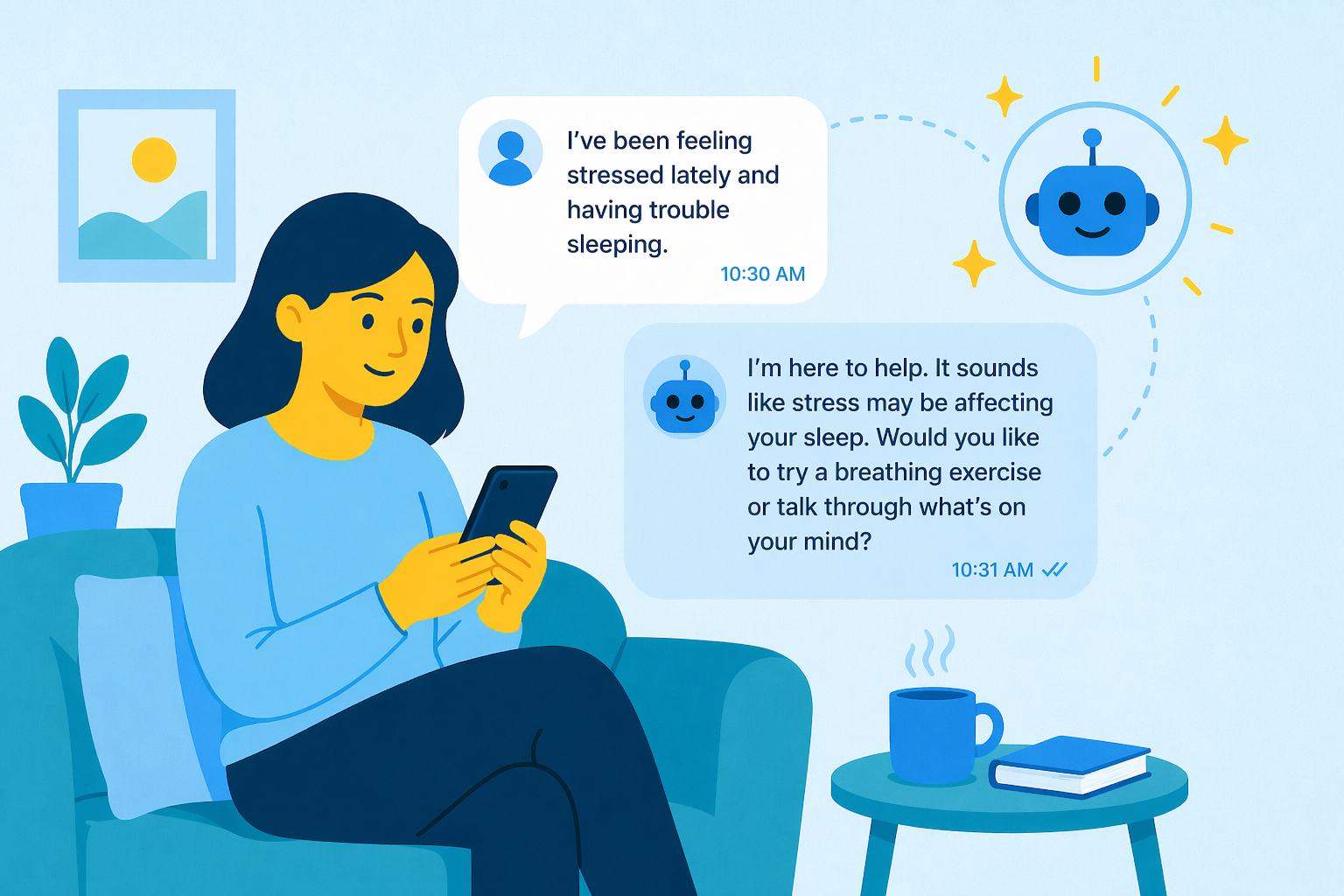
What’s Happening Between Visits
Wellness doesn’t wait when the visit ends.
Your patients are still making decisions. AI is now part of that process.
This isn’t like Google.
Search gave options. AI gives answers.
Your patients are:
checking supplement interactions in real time
asking about symptoms before they call you
researching protocols they saw online
looking for practitioners and letting AI shape what shows up
And it’s happening when you’re not there.
Late at night. Early morning. Weekends.
The gap between visits is active.
And more of it is being shaped by AI.
What Changed
Being online used to mean being found.
Now it means being part of the answer.
AI doesn’t return a list.
It pulls from what it sees as clear, consistent, and credible, then generates a response.
If your expertise isn’t showing up that way, it’s not shaping what your patients see. Practitioners and brands that publish consistent, clear, clinically grounded content across their website, blog, and professional profiles are more likely to be surfaced in AI-generated responses. Not because they gamed an algorithm, but because they built the kind of informational footprint that AI systems recognize as credible.
This Is a Care Issue
If the answers your patients are getting don’t reflect your thinking, care starts to drift.
Not because your plan was wrong.
Because something else filled the space.
When a patient asks AI about something you recommended, the answer might be generic.
It might miss context.
It might even contradict your reasoning.
Either way, it influences what they do next.
That’s not marketing.
That’s continuity of care.
Where This Connects
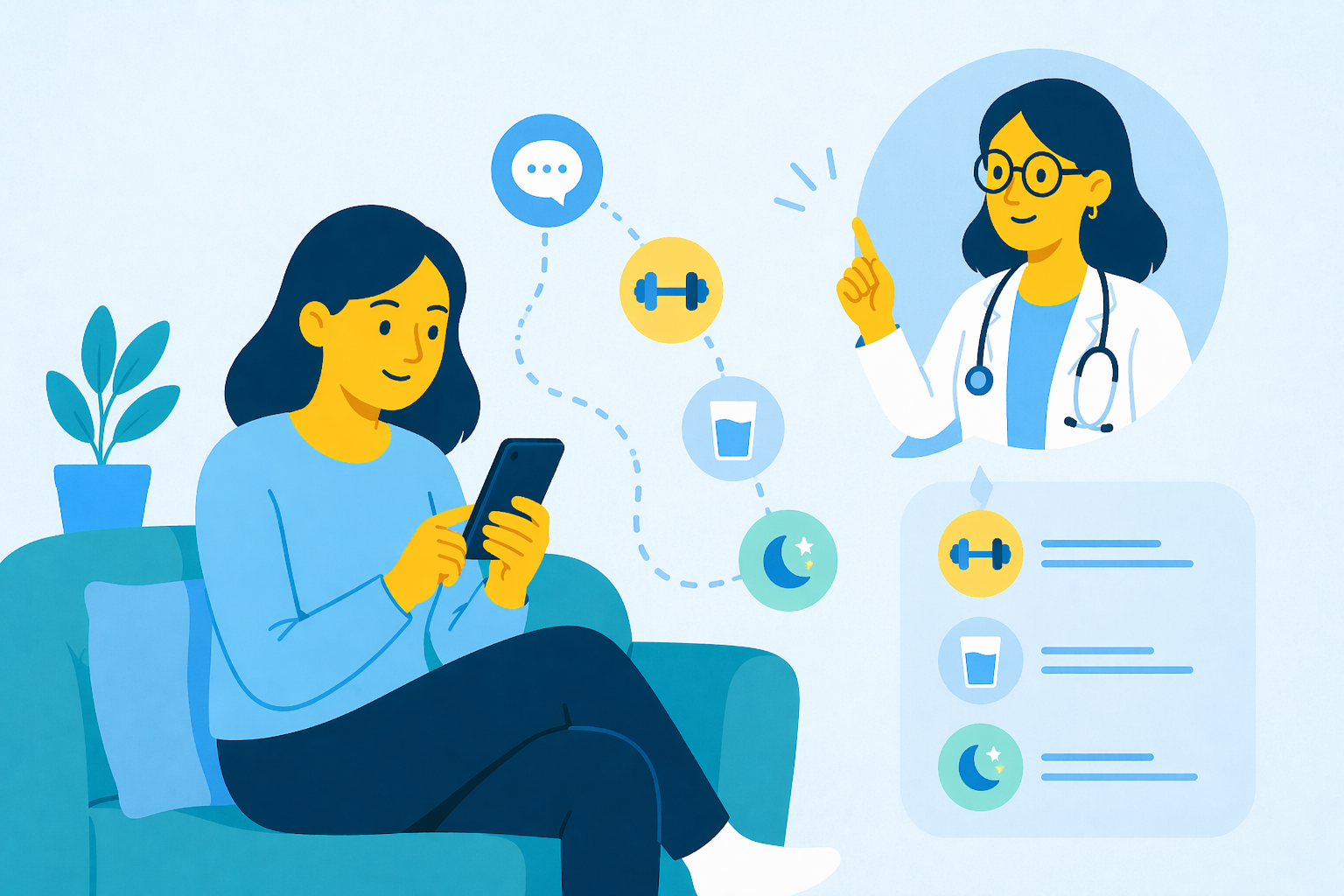
Let’s keep this simple.
If patients find you, they find your recommendations.
If they find your recommendations, they find your store.
Your store is where your care continues between visits.
AI is becoming one of the ways patients decide where to go next.
The Timing Opportunity
This space is still forming.
The rules aren’t fixed.
The landscape isn’t saturated.
Practitioners who build consistent content and a strong platform presence now are establishing the kind of authoritative footprint that these systems reward. Not because they rushed, but because they started while the playing field was still open.
This is genuinely an early mover moment. That doesn't mean it's an emergency. It means it's an opportunity, and a good one, for practitioners who are already thinking about how to extend their influence beyond the four walls of their practice.
5 Practical Tips to Improve Your AI Visibility
Be Consistent, Not Sporadic
AI systems favor patterns. Regular content, even if it’s simple, builds a stronger signal than occasional long posts.Answer Real Patient Questions
Create content based on what your patients are already asking. If they’re typing it into AI, you should be addressing it directly.Own Your Niche Clearly
Generalists get lost. Be specific about what you do and who you help so AI can confidently associate you with those topics.Build a Connected Platform (Not Just Content)
Visibility isn’t just what you say, it’s where it leads. Having a structured experience where patients can act on your recommendations matters. Tools like GetHealthy Store and Script help turn your expertise into something patients can actually follow through on between visits.Stay Present Between Visits
AI fills the gap when you’re not there. If you’re not showing up in that window, something else will. Email, social, and your store should reinforce your voice consistently.
What This Means
Your patients are making decisions between visits.
The question is whether your voice is part of those decisions.
AI is just one more place that gets decided.
Next Up
In Week 4, we’ll get practical.
We’ll walk through how to extend your presence between visits using your store, your content, and the tools inside GetHealthy.
Because understanding the landscape is step one. Building your presence in it is step two.
